1. Setup
SLEAP uses deep neural networks to learn how to predict poses from data. Training these models is much faster when using a GPU (1) for acceleration.
- Graphics processing unit. This is a hardware component that parallelizes computations across thousands of cores, making them particularly effective for the algorithms used to train deep neural networks.
Since GPUs are hard to come by on laptops, for this tutorial we are providing tutorial attendees with free access to GPU-equipped Virtual Machines (VMs) running in the cloud (Option A). We strongly recommend this option since it comes with SLEAP preinstalled! See the VMs FAQ for more info.
If you know you have a GPU on your machine or have a Mac with Apple Silicon, you can install SLEAP locally (Option B).
Warning
The rest of this tutorial assumes you went with Option A. If you're comfortable with the terminal and figuring some things out yourself, you'll still be able to follow along with a local install.
Option A: Requesting a VM (recommended)
Set up your VM
-
Navigate to the VM request website:
-
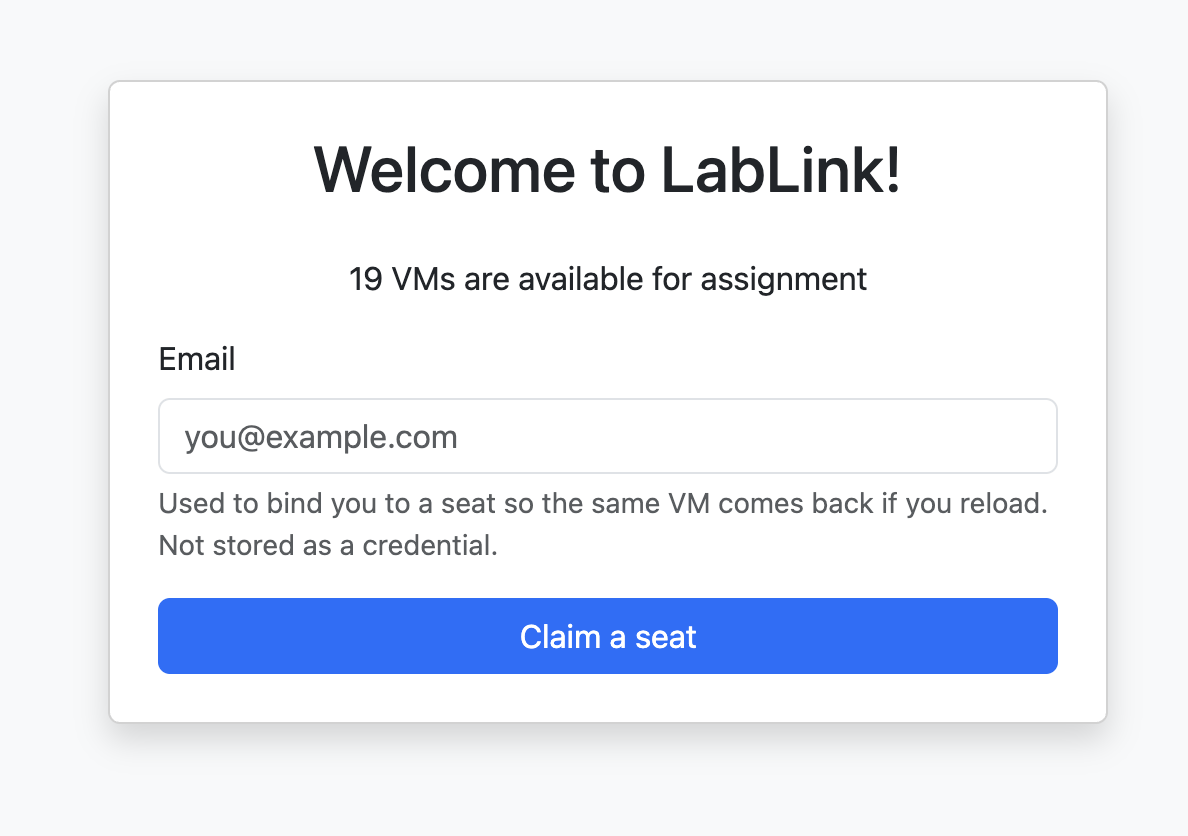
Request a VM by filling in your email:
-
You did it!
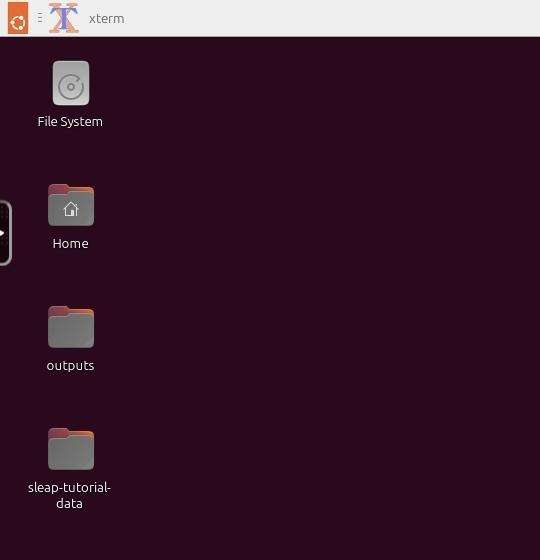
 If everything went well, you will see the VM's desktop in your browser:
Continue to the next section to test that your setup is working.
Starting SLEAP in the VM
If you don't have it open, connect to your VM through lablink.sleap.ai by entering your email again.
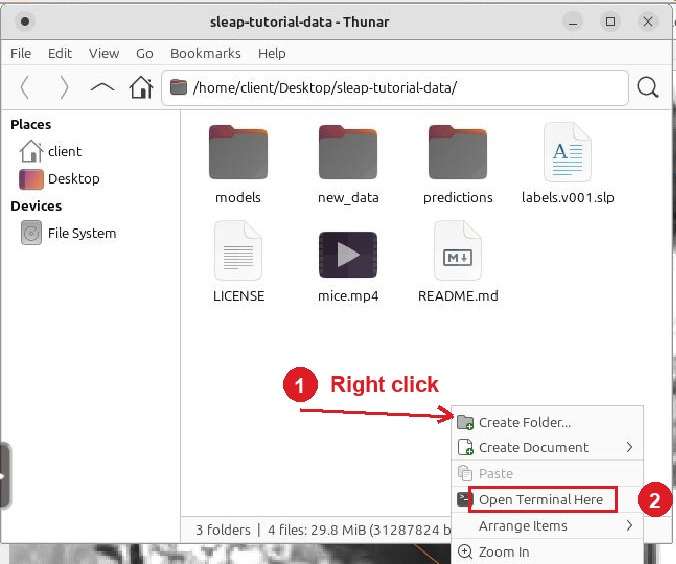
To launch SLEAP, first open the terminal by right-clicking in the background of a folder and clicking Open Terminal Here:
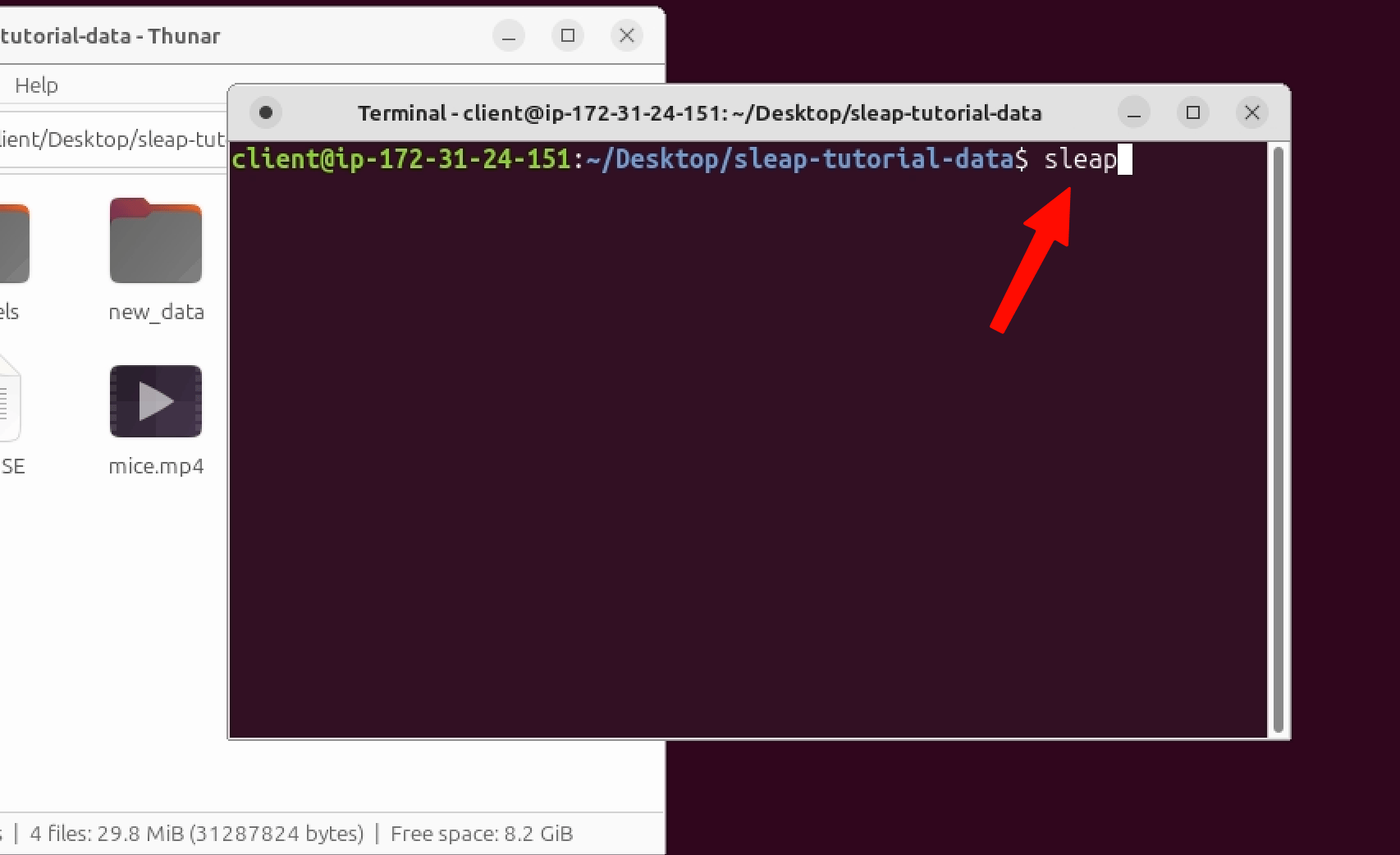
Then type in the magic command followed by Enter:
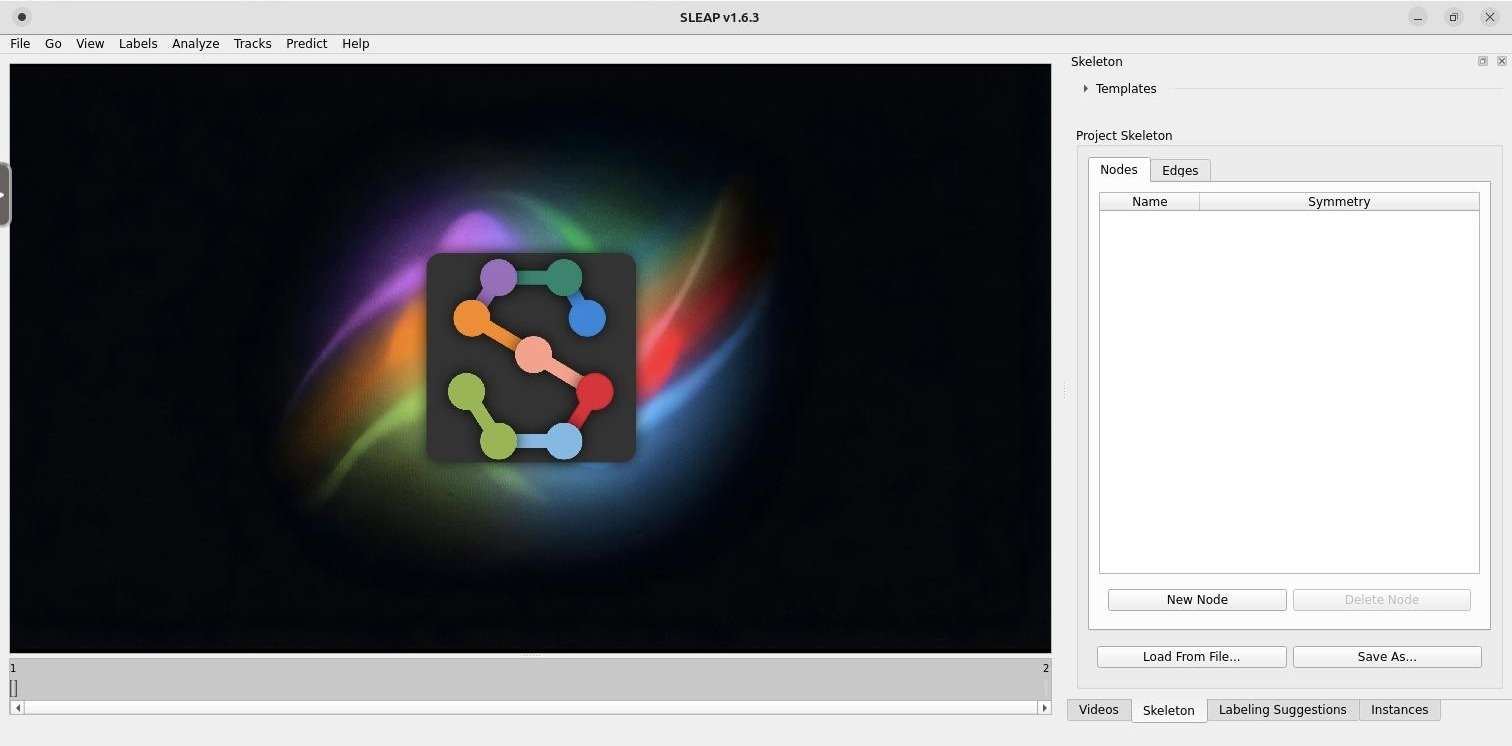
Et voila, the SLEAP interface will open:
Tip
It'll be easier to keep the VM in fullscreen.
You can open the tutorial website inside the VM as you're working through it so you don't have to switch in and out of fullscreen mode.
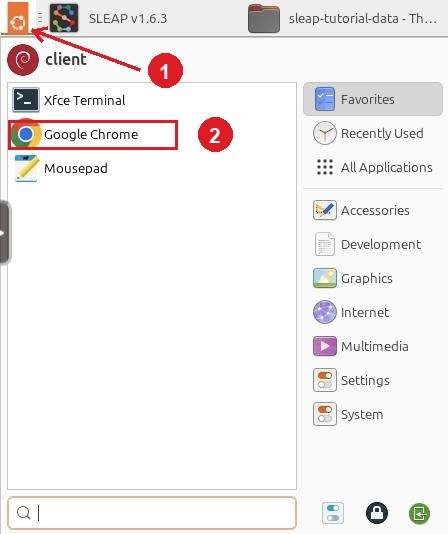
To do this, open the applications menu from the Ubuntu icon in the top-left corner, launch Google Chrome (it's under Favorites), and navigate to tutorial.sleap.ai.
VMs FAQ
What are Virtual Machines (VMs)?
VMs are software-defined virtual computers. They run an entire operating system inside of another computer. Most software running on the cloud run inside VMs. VMs have the advantage of providing reproducible computing environments that are isolated from the base computer.
What happens when I disconnect from the VM?
Nothing! The VM will continue running and you'll come back to the same screen the next time you connect to it. Just enter your email on the VM assignment website again to log back in to your VM.
How do I get my data in or out of the VM?
You can launch a web browser from the applications menu in the top-left corner of the VM. From there, you can login to your cloud storage service (e.g., Google Drive, Dropbox, OneDrive, etc.) or email to upload your files.
No one but you will have access to your VM and it will be permanently deleted within 24 hours, but if you're security-conscious, you can open a New Incognito Window in Chrome and login there without storing your credentials.
Where are these VMs actually running? Who's paying for them?
We are running the VMs for this tutorial in the cloud. The servers are physically located in a data center in Ireland (AWS eu-west-1).
We are technically "renting" these computing resources from Amazon. They are quite expensive, so they will only be available for a limited time during the tutorial session.
How long will I be able to use these VMs? What happens afterward?
You will have 24 hours after the tutorial ends before the VMs are shut down. Once that happens, any data stored on it will no longer be accessible, so make sure to copy your stuff off of it!
What is LabLink?
LabLink is our cloud-based tutorial platform intended for live instruction settings like workshops and tutorials. It allows us to create VMs for student use with a preinstalled environment accessible directly from the browser. Check out the LabLink docs to learn more.
Option B: Install SLEAP locally
See the main SLEAP installation instructions for more information.